Hi Five
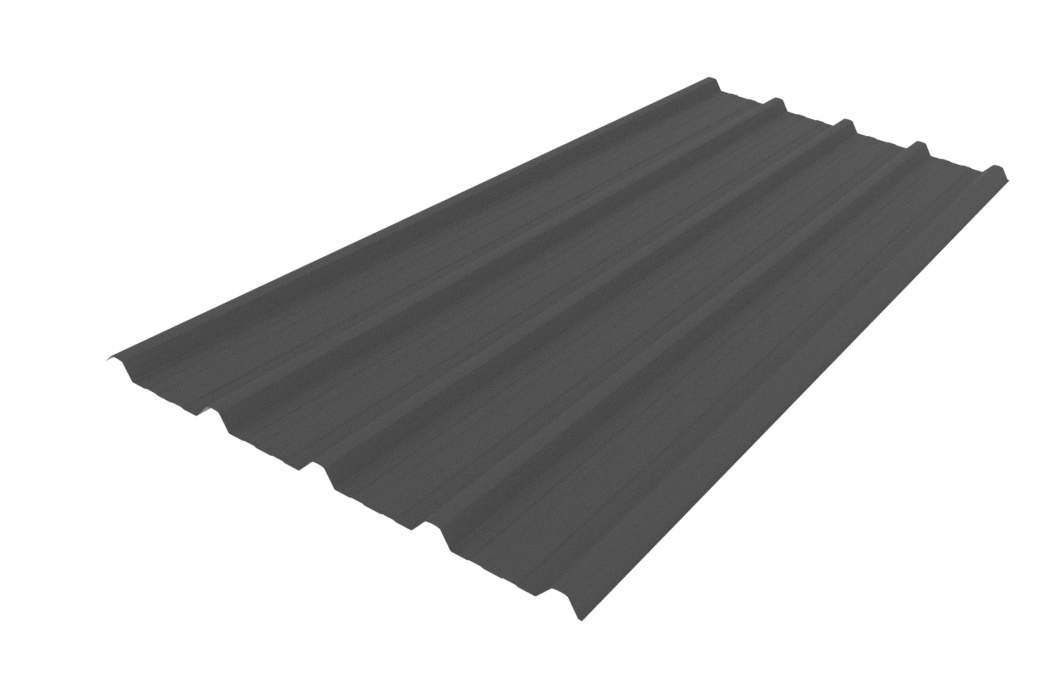
Offering a bold modern look, Hi Five allows you to maximise roofing and cladding efficiencies in your building designs. Supporting wide purlin spacing and performing well on low pitch roofs. It can additionally be crimp curved, offering unique architectural design possibilities. Also available in Audio-Perf®.
This product is currently available for supply in the South Island only.
- Product Details
- Min Pitch3º
- Rib TypeLow
- Ribs per sheet5
- Cover width765mm
- Sheet width810mm
- Suitable ForResidential
Light Commercial
Commercial - Manufactured InInvercargill
Overview
Hi Five Performance
Offering a bold modern look, Hi Five 5 rib roofing profile allows you to maximise roofing and cladding efficiencies in your building designs. Supporting wide purlin spacing and performing well on low pitch roofs. It can additionally be crimp curved, offering unique architectural design possibilities. Also available in Audio-Perf®.
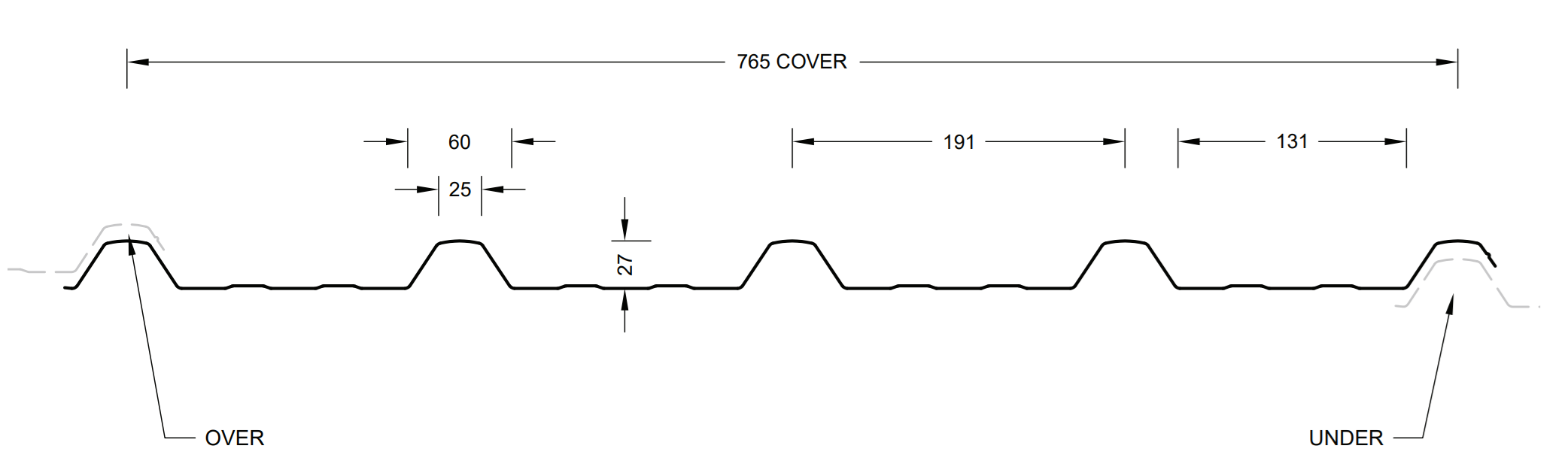
Cover (mm)
Sheet width (mm)
Minimum Pitch
Cover (mm)
755
Sheet width (mm)
810
Minimum Pitch
3º (approx. 1:20)
All dimensions given are nominal
Sheet Tolerances
Cover: ± 5mm - Sheet length: +10mm, -0mm (steel)
Cover: +10mm, -15mm – Sheet length: +0mm, -15mm (aluminium)
MATERIAL CLADDING TESTING AND PREFORMANCE
Material Options
Steel
Steel
Steel
Aluminium H36
Duraclad® (GRP)
Thickness (BMT) mm
Steel
0.40
Steel
0.55
Steel
0.75
Aluminium H36
0.90
Duraclad® (GRP)
1.7
Nominal weight/lineal metre (kg/m)
Steel
3.17
Steel
4.27
Steel
N/A
Aluminium H36
2.28
Duraclad® (GRP)
3.0
Drape curved - min. radius (m)
Steel
80
Steel
40
Steel
N/A
Aluminium H36
40
Duraclad® (GRP)
12
(1) Purlin spacings for drape curved roof (m)
Steel
N/A
Steel
N/A
Steel
N/A
Aluminium H36
N/A
Duraclad® (GRP)
N/A
(2) Machine crimp curved - roof min. radius (mm)
Steel
450
Steel
400
Steel
N/A
Aluminium H36
400
Duraclad® (GRP)
N/A
(3) Unsupported overhang (mm)
Steel
200
Steel
250
Steel
N/A
Aluminium H36
200
Duraclad® (GRP)
100
(1) Recommended maximum purlin spacings at minimum radius
(2) N/A
(3) Based on 1.1kN point load support, but not intended for roof access
N/R – Not recommended
N/A – Not available.
Roll-forming facilities for Hi Five at: Invercargill
Curving for Hi Five at: Invercargill
Manufacturing location for Duraclad: Auckland
Sheet lengths: Hi Five is custom run to order.
Where long sheets are used consideration must be given to:
- Special transportation licences for sheet lengths over 25m
- Site access for special lifting equipment
- Fixing techniques to accommodate thermal expansion.
Load Span Table
Hi Five Limit State Load / Span Capacity
(span in mm, distributed serviceability loads in kPa)
G550 Steel 0.40mm
Unrestricted Access / Roof
Restricted Access / Roof
Non-Access / Roof or Wall
Unrestricted Access / Roof
End Span
Internal Span
Serviceability
End Span
Internal Span
Serviceability
Restricted Access / Roof
End Span
600
800
1000
Internal Span
900
1200
1600
Serviceability
3.5
2.7
1.8
Non-Access / Roof or Wall
End Span
1100
1300
1600
Internal Span
1700
2000
2400
Serviceability
1.6
1.2
0.9
G550 Steel 0.55mm
Unrestricted Access / Roof
Restricted Access / Roof
Non-Access / Roof or Wall
Unrestricted Access / Roof
End Span
Internal Span
Serviceability
End Span
800
1000
Internal Span
1200
1500
Serviceability
4.0
3.3
Restricted Access / Roof
End Span
1100
1300
1500
Internal Span
1600
1900
2200
Serviceability
3.0
2.5
2.0
Non-Access / Roof or Wall
End Span
1500
1700
2000
Internal Span
2300
2600
3000
Serviceability
1.8
1.5
1.1
5052 H36 Aluminium 0.70mm
Unrestricted Access / Roof
Restricted Access / Roof
Non-Access / Roof or Wall
Unrestricted Access / Roof
End Span
Internal Span
Serviceability
End Span
Internal Span
Serviceability
Restricted Access / Roof
End Span
600
800
Internal Span
900
1200
Serviceability
2.4
1.9
Non-Access / Roof or Wall
End Span
900
1100
1300
Internal Span
1300
1600
1900
Serviceability
1.8
1.2
0.8
5052 H36 Aluminium 0.90mm
Unrestricted Access / Roof
Restricted Access / Roof
Non-Access / Roof or Wall
Unrestricted Access / Roof
End Span
Internal Span
Serviceability
End Span
800
Internal Span
1200
Serviceability
2.8
Restricted Access / Roof
End Span
900
1000
1100
Internal Span
1300
1500
1700
Serviceability
2.7
2.2
1.7
Non-Access / Roof or Wall
End Span
1200
1500
1700
Internal Span
1800
2200
2600
Serviceability
1.6
1.4
1.1
Duraclad® 1.7mm (Note 4)
Unrestricted Access / Roof
Restricted Access / Roof
Non-Access / Roof or Wall
Unrestricted Access / Roof
End Span
Internal Span
Serviceability
Ultimate
End Span
Internal Span
Serviceability
Ultimate
N/R
N/R
Restricted Access / Roof
End Span
700
Internal Span
1100
Serviceability
-
Ultimate
4.5
Non-Access / Roof or Wall
End Span
800
1000
1200
Internal Span
1200
1500
1800
Serviceability
-
-
-
Ultimate
4.4
2.6
1.6
Notes
- In Restricted Access Roof and Non-Access Roof & Wall applications, spans exceeding the maximum values shown should not be used. The maximum spans for Restricted Access Roofs are based on static point load testing as a guide and are further limited by practical experience of roof performance under dynamic foot traffic loads. For Non-Access Roof & Wall applications, the maximum spans are limited to ensure satisfactory appearance for wall cladding.
- Loads given are based on 4 screw fasteners/sheet/purlin.
- Loads given are limited to a maximum of 4.5 kPa. If design requirements exceed this limit, contact Dimond for specific advice.
- Duraclad®
– Serviceability Limit State loads are not applicable to the Duraclad® material, as it does not experience permanent deformation.
– System must include Safety Mesh if intended for use as a Restricted-Access roof. Refer Section 2.2.1.8 of Technical Manual. - N/R = not recommended.
- End span capacities given in this table are based on the end span being 2/3 of the internal span.
- Design Criteria for Limit State Capacities
- Serviceability Limit State (SLS Design)
No deflection or permanent distortion that would cause unacceptable appearance, side lap leakage or water ponding, due to foot traffic point loads, inward or outward wind loads or snow loads. - Ultimate Limit State (ULS Design)
No pull through of fixings or fastener withdrawal resulting in sheet detachment due to wind up-lift (outward) loads.
- Serviceability Limit State (SLS Design)
- System Design
The span capacity of the roofing or cladding profile is determined from the Load Span Table, using the section of the chart appropriate to the grade and type of material, and the category of serviceability selected from the two categories above. Serviceability loads have been derived by testing according to NZMRM procedures. To obtain an ultimate limit state load, we recommend factoring the serviceability load by 1.4 in line with NZMRM guidelines. Note: The capacities given do not apply for cyclone wind conditions.
Serviceability Requirements
While these categories are provided for design guidance to meet the serviceability limit state criteria, foot traffic point load damage may still occur if point loads are placed carelessly.
Service Category
Refer to MRMCOP 3.7.4 Roof Traffic. The designer must consider the degree and type of foot traffic expected on a roof. The following requirements are subjective standards and must be considered in line with customer expectations, building use, and type. More robust design than specified below (such as reducing purlin spacing or adding protection from mechanical action) is required for roofs that are regularly accessed, used as staging by subsequent trades, or areas adjacent to access points, particularly step-down access
- Wind Pressure Guide
As a guide for non-specific design the following S.L.S. design loads in accordance with the MRM Roofing Code of Practice can be used for buildings less than 10m high, otherwise AS/NZS 1170.2 should be used Low wind zone = 0.68kPa, Medium wind zone = 0.93kPa, High wind zone = 1.32kPa, Very high wind zone = 1.72kPa and Extra high wind zone = 2.09kPa
Fastener Design
Hi Five Fastener Design
The durability of the fasteners should equal or exceed that of the material being fastened, and the fastener metal or coating must be compatible with the cladding material if in contact. Refer to NZS E2/AS1 table 20 for compatibility requirements.
The minimum embedment of 30mm is the requirement for screws fixing into timber and minimum of three threads to pass through steel. When fastening through cavity battens, thermal break materials etc ensure the length of the screw is increased to accommodate the extra material.
Common Fastener Lengths* – Roof Cladding - Crest Fixed
Cladding Material
Timber Purlins (mm)
Steel Purlins/Girts up to 2.5mm (minimum 3 threads) (mm)
(1,2) Load Spreading Washers (LSW) (When required)
Steel
Timber Purlins (mm)
TT 12g x 65 with neo
Steel Purlins/Girts up to 2.5mm (minimum 3 threads) (mm)
ST 12g x 55 with neo
(1,2) Load Spreading Washers (LSW) (When required)
Steel with 30mm EPDM washer
Aluminium
Timber Purlins (mm)
TT 12g x 73 Alutite with neo and LSWTT 12g x 65 304 stainless steel with neo and LSW
Steel Purlins/Girts up to 2.5mm (minimum 3 threads) (mm)
ST 12g x 50 304 stainless steel with neo and LSW
(1,2) Load Spreading Washers (LSW) (When required)
Aluminium with 30mm EPDM washer
*Class 5 fasteners are recommended with steel-based material
(1) – When Using LSW increase fastener length by 10mm
(2) - When using LSW pre-drill a 10mm oversized hole to accommodate the EPDM washer
Common Fastener Lengths* – Wall Cladding – Pan Fixed
Cladding Material
Timber Dwangs/Nogs (mm)
Steel Girts up to 2.5mm (mm)
Steel Direct Fix
Timber Dwangs/Nogs (mm)
TT 12g x 40 with neo washer
Steel Girts up to 2.5mm (mm)
ST 12g x 20 with neo washer
Steel On 20mm (nom.) Cavity Batten
Timber Dwangs/Nogs (mm)
TT 12g x 55 with neo washer
Steel Girts up to 2.5mm (mm)
ST 12g x 35 with neo washer
Aluminium Direct Fix
Timber Dwangs/Nogs (mm)
TT 14g x 35 Alutite with neo washer
Steel Girts up to 2.5mm (mm)
**ST 12g x 25 304 stainless steel with neo washer
Aluminium On 20mm (nom.) Cavity Batten
Timber Dwangs/Nogs (mm)
TT 14g x 55 Alutite with neo washer
Steel Girts up to 2.5mm (mm)
**ST 14g x 50 304 stainless steel with neo washer
*Class 5 fasteners are recommended with steel-based material
**Stainless steel fasteners require to be separated from aluminium
Use in serviceability categories (1) or (2) can allow the reduction of fasteners to an average of 2 screw fasteners/sheet/ purlin. If this is done, the distributed load capacities given in the chart should be reduced using a multiplying factor of 0.5.
Long spans may require the specification and use of side lap stitching screws – see Section 2.3.2C Installation Information: Layout and Fastening.
Design Example
Restricted access roof, 0.55mm G550 steel Hi Five® has a maximum end span of 1500mm and a maximum internal span of 2200mm. The following distributed load capacities apply.
4 fasteners/sheet
2 fastener/sheet
End Span
4 fasteners/sheet
1500mm
2 fastener/sheet
1500mm
Internal Span
4 fasteners/sheet
2200mm
2 fastener/sheet
2200mm
Serviceability
4 fasteners/sheet
2.0 kPa
2 fastener/sheet
1.0 kPa
Fastener Layout Options


Downloads
Featured Downloads
Product Drawings
Filters
Active Filters ()
Drawing Type
Document Format
- Commercial Drawings9 Files
- Roofing3 Files
- Horizontal Cladding3 Files
- Vertical Cladding3 Files
- Residential Drawings9 Files
- Roofing3 Files
- Horizontal Cladding3 Files
- Vertical Cladding3 Files
Similar products
Veedek®
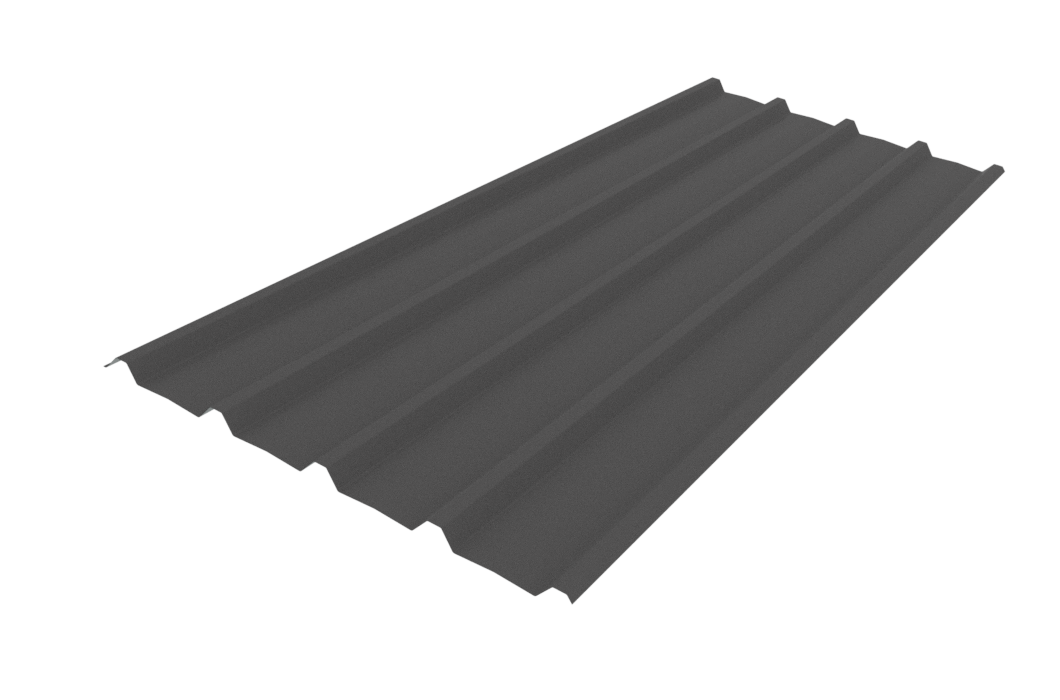
Roofing, Cladding Ribbed / TrapezoidalVeedek® features clean straight lines, with an angled pan to provide a strong visual appeal with unparalleled protection against the elements. Adding interest and detail to your roof, it is a perfect choice for contemporary architecture or adding a modern look to a traditional design.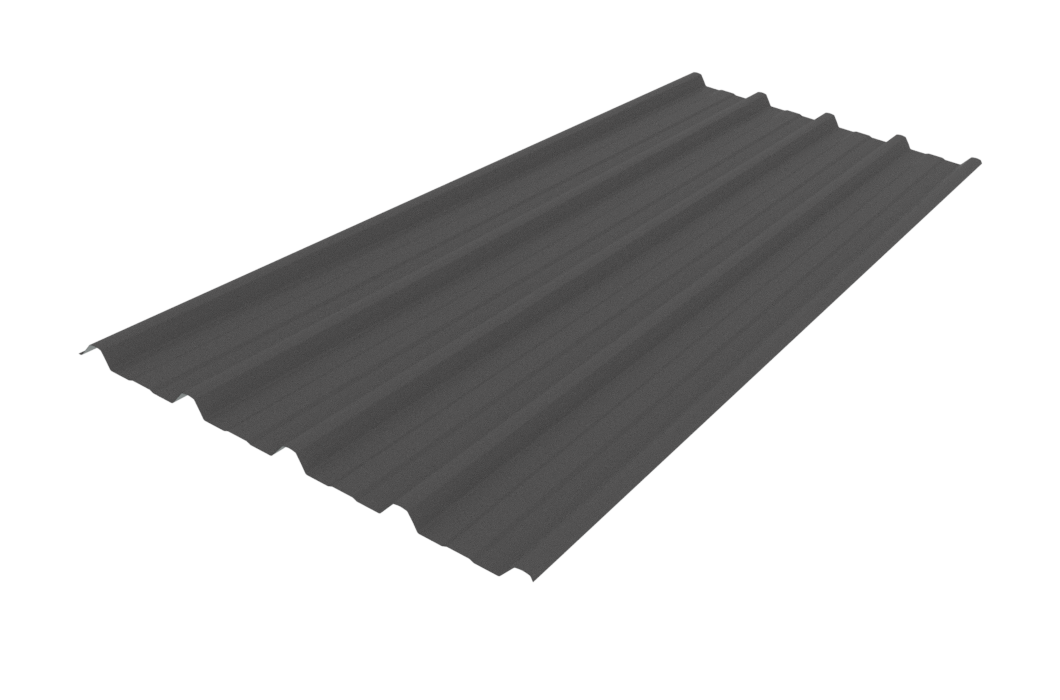
Styleline
Roofing, Cladding Ribbed / TrapezoidalStyleline has been specifically designed to produce contrasts of light and shade. Its stylish shape & the way it plays with light reflection means you only see the best from every angle, adding a contemporary look to your building.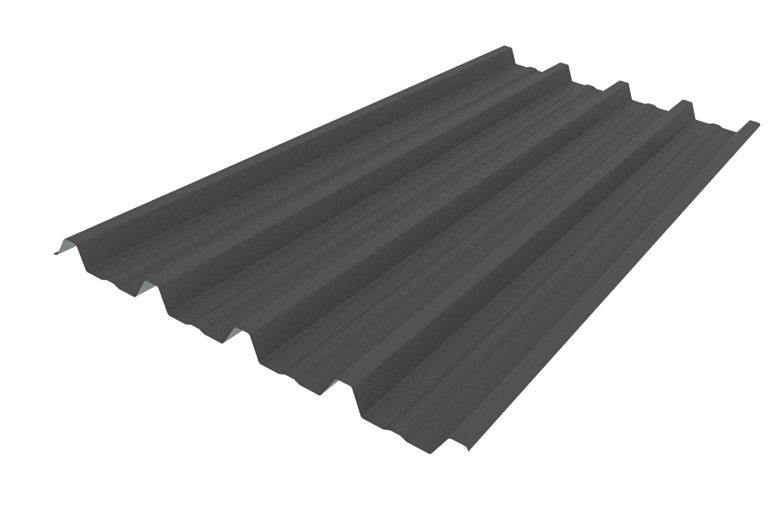
Topspan®
Roofing, Cladding Ribbed / TrapezoidalTopspan® is a high rib roofing profile that combines wide coverage with long span capabilities. It has a curved rib top and a bold shape. These attributes allow Topspa®n to achieve economy, style and ease of installation. Topspan® is ideal for large commercial and industrial applications and the profile is also readily available in Dimond’s range of natural lighting systems.